

Reverse Engineering Gears from Physical Samples
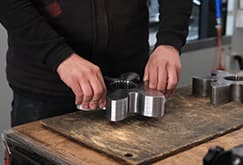
No Technical Drawing? Start with the Physical Component
When a gear, shaft or power transmission component has no available technical drawing, the physical sample can be evaluated for reproduction. Cimak Gear uses measurement, geometry analysis, CAD modelling and engineering review to prepare the component for manufacturing.
When the Part Exists but the Documentation Does Not
Obsolete / discontinued / hard-to-find
Older machines, discontinued equipment and difficult-to-source systems may require a replacement component even when the original technical documentation is unavailable. Reverse engineering creates the technical basis required to reproduce the existing component.
1. Initial Sample Assessment
The condition of the component, wear, damaged areas, mating surfaces and measurable geometries are reviewed to determine which technical data can be reliably recovered from the sample.
2. Measurement & Geometry Analysis
CMM and relevant measurement equipment
Critical dimensions, interfaces and gear features are analysed using suitable measuring equipment. CMM and other measurement methods can be used to establish the technical data required for reproduction.
3. CAD Modelling & Technical Data Creation
SolidWorks / AutoCAD / Inventor
Measurement and analysis results are converted into the CAD and technical data required for manufacturing. Worn or damaged areas are not simply copied; function, mating geometries and available technical evidence are considered during engineering review.
4. Material & Heat-Treatment Review
The existing component, operating conditions and project requirements are considered when evaluating material and heat-treatment approach. Engineering steels such as 16MnCr5, 20MnCr5, 18CrNiMo7-6 and 42CrMo4 can be evaluated where appropriate.
5. Manufacturing & Inspection
Once the technical basis is approved, the manufacturing route is defined. CNC machining, gear cutting, heat treatment, finishing and inspection requirements are selected for the component. Prototype and repeat-production requirements can then be planned on a project basis.
When Is Reverse Engineering Useful?
Lost technical drawings; discontinued or hard-to-source components; development of a new/local supply source from an existing sample; continued operation of older machinery; digitisation of an existing component for future reproduction.
What Should You Send for Sample-Based Manufacturing?
Photos of the component, its application, available machine/system information, required quantity, known material or operating conditions and whether the physical sample can be shipped are useful for initial evaluation.
Can a worn or broken component be reproduced?
When the component condition allows reliable measurement and engineering evaluation, reproduction can be possible. Worn areas are assessed together with function, mating surfaces and available technical evidence rather than copied blindly.
No Drawing? Send the Sample
Share the existing component and available application information. Cimak Gear can evaluate whether the part is suitable for reverse engineering and reproduction.